Why Footwear Matters on the Camino
The Camino Francés is roughly 70% hard-packed dirt, gravel, and paved roads. That is 560km of relentless impact on your feet, ankles, and knees. Wrong footwear is one of the top reasons pilgrims are forced to stop.
The good news is that choosing the right shoe is not complicated. There are three main categories, and for most pilgrims walking the Francés in spring, summer, or autumn, the choice is clear.
Trail Runners vs Hiking Shoes vs Hiking Boots
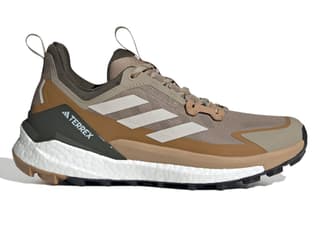
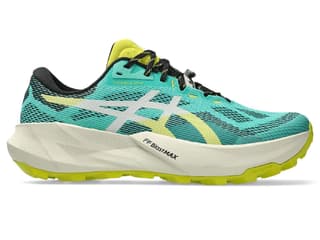
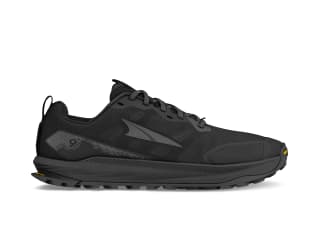
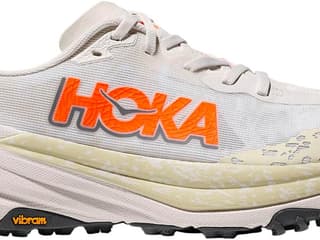
Trail Runners
Most Popular- +Lightweight (under 500g)
- +Breathable, dry quickly
- +Comfortable immediately
- +Great for warm weather
- -Less ankle support
- -Wear out at 500-800km
- -May need replacing mid-Camino
Best for warm weather, light packs, and the well-maintained Francés route. The most popular choice among modern pilgrims.
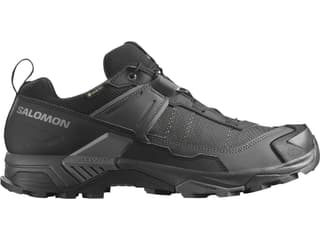
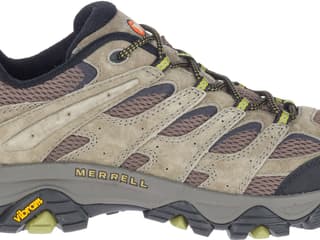
Hiking Shoes
Great All-Rounder- +Stiffer sole, good support
- +More durable than runners
- +Great on cobblestones
- +Lighter than boots
- -Heavier than trail runners
- -Less breathable
- -Longer break-in time
A reliable middle ground. Excellent on mixed terrain and the long paved approaches to cities like Burgos and León.
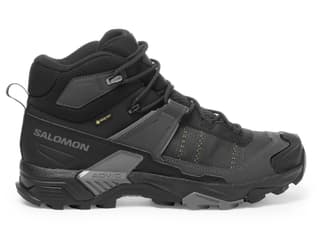
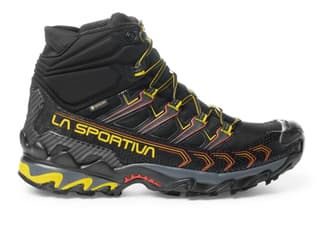
Hiking Boots
For Tough Conditions- +Best ankle support
- +Most durable option
- +Good for heavy packs
- +Ideal in bad weather
- -Heaviest option
- -Can cause overheating in summer
- -Longest break-in period
Best for winter Caminos, the Primitivo, or rugged alternative routes. Overkill for most pilgrims on the Francés in good weather.
Key Features to Look For
Wide Toe Box
Feet swell after days of walking. Size up half to a full size from your normal shoe size.
Cushioning
The Camino Francés is hard underfoot. More cushioning delays fatigue and reduces impact on knees.
Breathability
Gore-Tex is excellent in wet conditions but traps heat in warm weather. Choose non-waterproof mesh in summer.
Grip and Traction
The Galician section involves steep descents on slippery stone paths. Multidirectional lugs provide security.
Weight
Every gram counts over 800km. Lighter shoes reduce fatigue. A 200g difference becomes significant.
Drainage
River crossings and morning dew are common. A shoe that dries quickly is more useful than a waterproof shoe in summer.
Breaking In Your Shoes
Wear your Camino shoes for at least 200km of training walks before your start date. Walk them on pavement, gravel, and trails.
If a shoe is not comfortable after one week of daily walks, it is not the right shoe. Do not bring it.
If your training pair has more than 300km on it before you depart, buy a fresh pair of the same model.
Do Not Forget Your Socks
Even the best shoes cannot save you if you wear cotton socks. Merino wool hiking socks are essential. Take three to four pairs and rotate them daily.
Some pilgrims also use a thin liner sock underneath their main hiking sock to reduce friction.
Our Recommendation for the Camino Francés
Trail runners or hiking shoes are the best choice for the vast majority of pilgrims walking the Francés in spring, summer, or autumn. Reserve hiking boots for winter Caminos or if you have a history of ankle issues.