
Camino MomentChoose Your PathAt Triacastela, the Camino splits into two routes to Sarria. The direct route via San Xil is shorter (18 km) and hillier. The alternative route via Samos is longer (25 km) but flatter and takes you past one of the largest and most important monasteries in Galicia. This is one of the few genuine choices a pilgrim makes on the Camino Frances. Ask fellow pilgrims which they recommend. There is no wrong answer.
VillageGalicia133 km to Santiago de Compostela
Triacastela
Triacastela is a Galician town in Lugo, named for three medieval castles that once stood here (now gone). Pilgrims traditionally carried a stone from the local quarry to Castaneda for the firing of lime at Santiago Cathedral. Has full services.
AccommodationRestaurantCafeGroceryPharmacyATMPost OfficeClinicWaterTobacconistTrainnot availableAirportnot availableBusnot availablePilgrim Officenot available
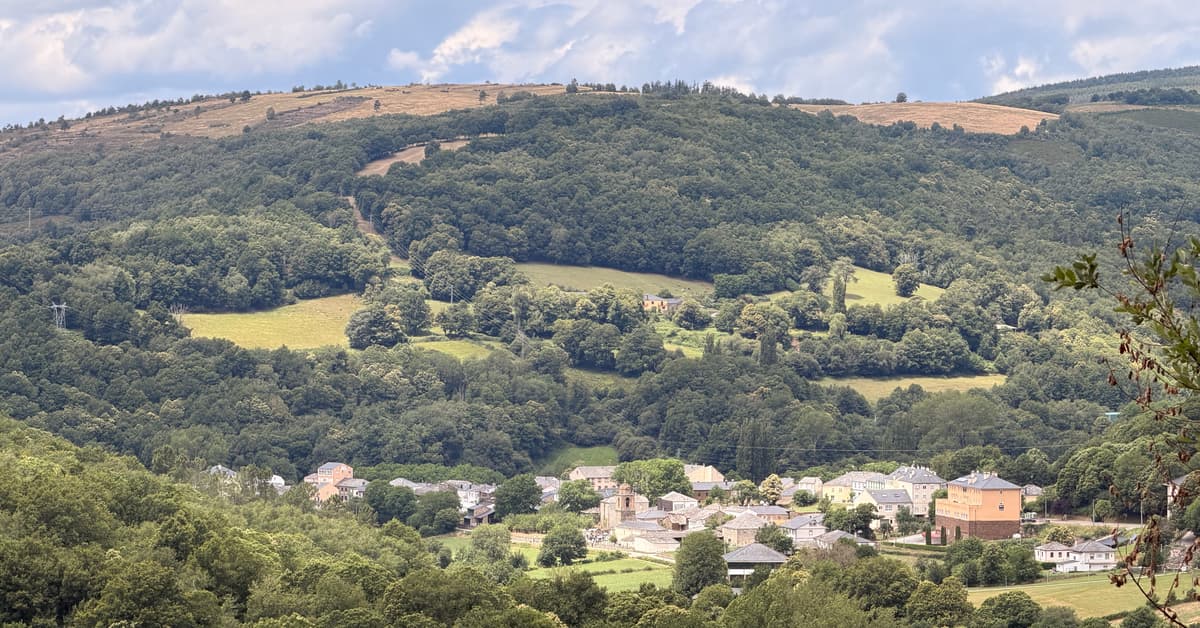
Triacastela sits in the province of Lugo, in Galicia, on the floor of the Oribio valley below the high passes of the Camino. The Camino enters the town from the east and runs through the heart of the old centre. Triacastela is the traditional end of stage 27 for pilgrims coming over O Cebreiro.
The town's name means Three Castles, a reference to three medieval fortifications that once stood in the surrounding hills to defend the Camino and the local trade routes. None of the three castles survives, but the name has stuck since the early Middle Ages. The Iglesia de Santiago has 12th-century Romanesque origins, much rebuilt across the centuries. The town's most distinctive Camino tradition is medieval: pilgrims passing through Triacastela were expected to pick up a piece of limestone from the local quarry and carry it for the next 100 kilometres of the route, depositing it at the lime kilns at Castaneda near Arzua. The lime fired in those kilns was used in the construction of the cathedral at Santiago de Compostela. This labour tax on pilgrims is a distinctive historical Camino custom and persisted in some form for several centuries.
Triacastela has reasonable services. There are albergues including the municipal albergue and private albergues, hotels, restaurants, cafes, bars, supermarkets, a pharmacy, and an ATM. The town has bus connections.
From Triacastela the Camino splits into two variants for the next stage to Sarria. The southern variant via Samos passes through the famous Benedictine monastery and adds about 6 kilometres to the day. The northern variant via San Xil is shorter and runs through quieter farming country. Both rejoin near Aguiada before reaching Sarria.
Where to stay
Beds in Triacastela, night by night
Every kind of bed in one place: online booking, direct-contact albergues, walk-ins and donativos. Live prices for your night.
November 7 to November 20Each night shows how many places you can book online and the lowest price. Select a night to see the detail.
Swipe for more nights
Saturday, November 7Albergue dorms and private rooms both count. Walk-in and donativo albergues never sell out online: arrive early in the day instead.
Prices come live from our booking partners and change with demand. Walk-in and donativo albergues are not counted here: they are in the full list at the bottom of the page.Explore
Explore Triacastela
The Camino through town, with prices where the beds are. Amber is the route; each pin is a place to stay.
Select a pin to highlight the property.
Things to do
Things to do in Triacastela
4 things
Pilgrim tips
Tips for Triacastela from pilgrims
Short, practical advice from people who have walked through Triacastela.
The medieval pilgrim tradition was to pick up a piece of limestone in Triacastela and carry it 100 kilometres to Castaneda, near Arzua, where lime kilns fired stone for the construction of Santiago Cathedral. Few modern pilgrims continue the tradition, but the limestone quarry site is signposted.
Deryk E.June 2026
All accommodation
Places to stay in Triacastela
Our Koala Picks first, then donativos, albergues and hostels, hotels, and everything else. Within each group the best-reviewed places lead.
Loading places to stay…