
Camino MomentWalk Through the Porta de SantiagoThe route from Santarem to Golega passes through the Porta de Santiago, one of the medieval gates of Santarem. Walking through a gate named after your destination, with hundreds of kilometres still to go, is a small but meaningful Camino moment. The descent from Santarem into the Tagus valley after this gate is gentle and the landscape opens up.
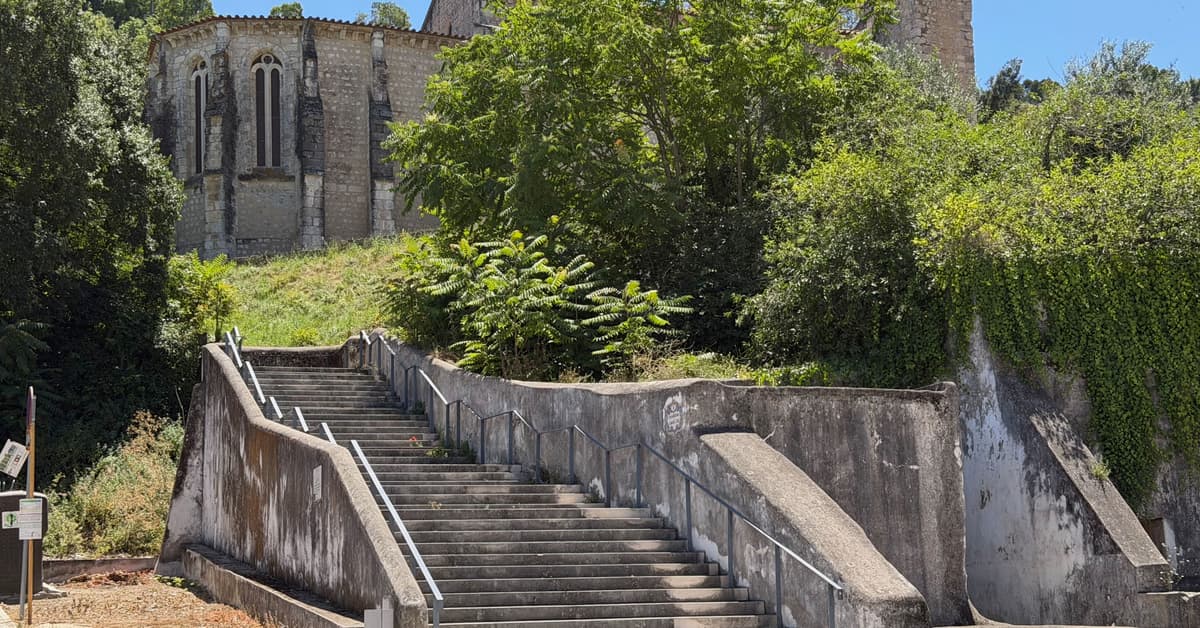
CitySantarém521 km to Santiago de Compostela
Santarém
The historic capital of the Ribatejo region, set on a high bluff above the Tagus River. Known as the 'Gothic Capital' of Portugal for its wealth of medieval churches and the well-preserved Castle of Santarem.
AccommodationRestaurantCafeGroceryPharmacyATMTrainPost OfficeBusClinicWaterTobacconistAirportnot availablePilgrim Officenot available
Walkers approaching this city from the flat plains of the Ribatejo face a difficult final stretch. The historic center sits on a high plateau above the Tagus River. Reaching it requires a steep climb that tests tired legs at the end of a long stage. This elevated position is exactly why the settlement exists. It offered a strategic vantage point that has been prized since antiquity.
The Romans called this high ground Scalabis. It served as a major administrative hub for the province of Lusitania. The modern name, however, stems from a Visigothic legend. Local tradition holds that a young nun named Iria was martyred in the town of Tomar in the seventh century. Her body was thrown into the river and eventually washed ashore here. The town was renamed Sancta Irene in her honor. Over centuries of linguistic shifts, Sancta Irene evolved into Santarém.
One of the most pivotal moments in Portuguese history occurred on these steep slopes. In March 1147, King Afonso Henriques led a daring night raid against the Moorish defenders of the city. A small band of knights scaled the defensive walls using ladders, opening the gates from the inside and securing a victory that cemented the foundation of the young Portuguese kingdom. For the next several centuries, the city functioned as a favored royal residence. Kings convened parliaments here, and wealth flowed into the construction of convents, monasteries, and churches. This medieval building boom left behind such a high concentration of pointed arches and ribbed vaults that the city is often called the Gothic capital of Portugal.
The Church of Graça stands as a prime example of this architectural legacy. Visitors who step inside will find the tomb of Pedro Álvares Cabral, the explorer credited with the European discovery of Brazil in 1500. His modest grave sits near the altar, marked by a simple floor slab that belies his historical impact. Outside, the church features a massive, intricately carved stone rose window.
A short walk away is the Church of Marvila. While its exterior features striking elements of Manueline architecture, the interior holds a visual surprise. The walls are completely covered in patterned seventeenth-century azulejo tiles. Further into the historic center, the Church of the Holy Miracle draws many pilgrims. It houses a relic associated with a thirteenth-century Eucharistic miracle, where a stolen consecrated host was said to have bled continuously.
The defensive walls that the first Portuguese king scaled are mostly gone, but the foundations of the old castle remain at the Portas do Sol. This public garden occupies the highest point of the plateau. It provides a sweeping view over the Tagus River and the patchwork agricultural fields below. It is an ideal spot for walkers to rest and look back over the plains they have just crossed.
When navigating between these sites, look up to find the Torre das Cabaças. This fifteenth-century clock tower gets its name from eight clay pots, or cabaças, mounted near the bells. These empty vessels were placed there with the intention of amplifying the sound of the chimes across the city. Many visitors walk right past without noticing them.
Taking the time to observe the transitions in the stonework reveals the timeline of the city. You can frequently spot carved Gothic doorways embedded in plain whitewashed walls, which are leftover fragments of ruined medieval structures repurposed by later generations. Walking the cobbled lanes requires a moderate pace, allowing time to notice the quiet, layered history of the streets.
Where to stay
Beds in Santarém, night by night
Every kind of bed in one place: online booking, direct-contact albergues, walk-ins and donativos. Live prices for your night.
November 29 to December 12Each night shows how many places you can book online and the lowest price. Select a night to see the detail.
Swipe for more nights
Sunday, November 29Albergue dorms and private rooms both count. Walk-in and donativo albergues never sell out online: arrive early in the day instead.
Prices come live from our booking partners and change with demand. Walk-in and donativo albergues are not counted here: they are in the full list at the bottom of the page.Explore
Explore Santarém
The Camino through town, with prices where the beds are. Amber is the route; each pin is a place to stay.
Select a pin to highlight the property.
Things to do
Things to do in Santarém
6 things
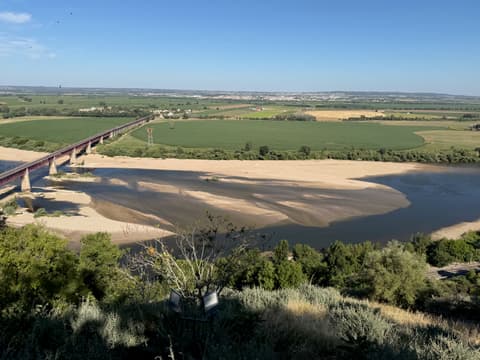
RelaxationSee the View from Portas do SolThe old castle gardens at Portas do Sol sit on the edge of the bluff overlooking the Tagus valley. The views across the river and the endless Ribatejo plain are spectacular, particularly in the late afternoon when the light turns golden. There are benches, shade trees, and the remains of the Moorish fortifications. After climbing the hill into Santarem, you deserve this view.
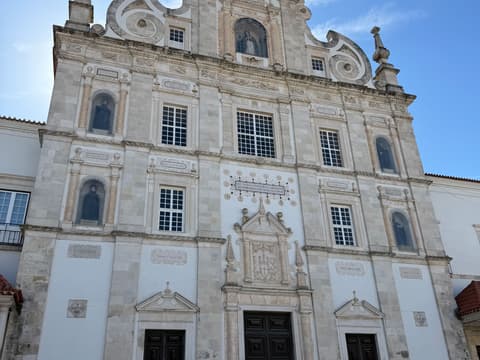
HistoryVisit the Gothic ChurchesSantarem has more Gothic churches than any other city in Portugal. The Igreja de Graca (14th century) has a magnificent rose window and the tomb of Pedro Alvares Cabral, the Portuguese navigator who discovered Brazil. The Igreja de Marvila has an interior covered in 17th-century azulejos (painted tiles) that are among the finest in the country. The Seminario and the Igreja de Sao Joao de Alporao (now an archaeological museum) are also worth visiting. A slow walk through the…
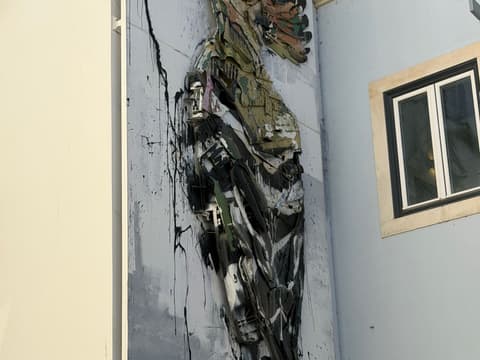
SightWalk Through the Old TownThe medieval centre of Santarem is compact and hilly, with narrow streets, tiled buildings, and squares that open up unexpectedly. The Praca Sa da Bandeira is the main gathering point, lined with cafes and shops. The Torre das Cabacas (Gourd Tower), a medieval clock tower, is a distinctive landmark. Walk from the Portas do Sol through the old town to the central square, and you will pass centuries of Portuguese history in under a kilometre.
Camino MomentAppreciate the Camino / Fatima CrossroadsSantarem is where the Camino Portugues and the Camino de Fatima share their path before diverging. Pilgrims heading to the famous Marian shrine at Fatima branch off here, while Santiago-bound walkers continue north. If you see blue arrows alongside the yellow ones, the blue ones point towards Fatima. You are on the yellow arrow path, heading north to Porto and beyond.
FoodEat Bijagos and Drink Ribatejo WineSantarem sits in the heart of the Ribatejo, and the food reflects the region's agricultural wealth. Try the sopa da pedra (stone soup, a hearty bean and meat broth that originated in nearby Almeirim), the grilled meats, and the local pastries. The Ribatejo wines are excellent and cheap. The restaurants around the Praca Sa da Bandeira and the old town serve traditional Portuguese food at fair prices.
Pilgrim tips
Tips for Santarém from pilgrims
Short, practical advice from people who have walked through Santarém.
No tips yet for Santarém
Walked through here? A line about where to eat, what to see or what to watch out for helps the next pilgrim.
All accommodation
Places to stay in Santarém
Our Koala Picks first, then donativos, albergues and hostels, hotels, and everything else. Within each group the best-reviewed places lead.
Loading places to stay…