The Camino's Most Generous Tradition
If you spend any time planning a Camino de Santiago, you will come across the word "donativo." It appears on accommodation lists, in guidebooks, and in conversations between pilgrims. For many, a night in a donativo albergue turns out to be the most memorable experience of their entire Camino.
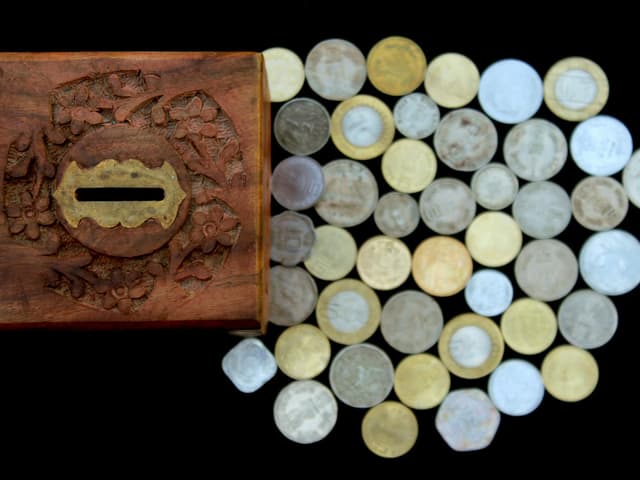
A donativo albergue is a pilgrim hostel that operates on a donation basis rather than charging a fixed price. The word "donativo" simply means "donation" in Spanish. When you stay at one of these places, there is no set fee. Instead, you are invited to contribute what you can, or what you feel the experience was worth, into a donation box. That contribution helps keep the doors open for the next pilgrim who walks through them.
Donativos are not a budget hack or a loophole for free accommodation. They are a living tradition rooted in centuries of Camino hospitality. They represent one of the oldest and most beautiful ideas on the Camino: that the pilgrims who came before you made it possible for you to be here, and your generosity will do the same for those who come after.
Not sure which Camino route is right for you yet? Try our Find Your Route tool to get a personalised recommendation before you start planning accommodation.

A Brief History of Donativo Hospitality
The tradition of offering free shelter to pilgrims on the Camino de Santiago goes back to the earliest days of the pilgrimage itself. When the tomb of the Apostle Saint James was discovered in the 9th century and pilgrims began arriving from across Europe, religious orders, monasteries, and local communities set up "hospitales" along the routes to care for travellers. These were not hospitals in the modern sense but simple shelters offering a bed, a meal, and sometimes medical care to anyone on pilgrimage.
For centuries, nearly the entire Camino operated on this principle of charitable hospitality. Pilgrims were often poor, travelling on foot for months, and they depended on the generosity of others to survive the journey.
The modern donativo system was revived in the 1980s and 1990s as pilgrim numbers began to grow again after decades of decline. A key figure was Don Jose Ignacio Diaz Perez, a parish priest in Logrono who championed pilgrim welfare on the Camino Frances. In the summer of 1990, a pilgrim named Lourdes Lluch rented a house in Hornillos del Camino and began welcoming pilgrims on a free-will donation basis. This became the prototype for the modern volunteer hospitalero movement. The Federacion Espanola de Asociaciones de Amigos del Camino de Santiago (FEAACS) soon formalised the system, and today hundreds of volunteer hospitaleros serve in donativo albergues across Spain each year.
How Do Donativo Albergues Work?
The experience of staying in a donativo albergue is different from a standard hostel or hotel. Here is what to expect.
Arrival and check-in. Most donativos do not accept reservations. You show up, usually in the afternoon (opening times vary but many open between 13:00 and 15:30), and if there is space, you are welcomed in. You will need to show your pilgrim credential, which will be stamped. First come, first served is the general rule.
Facilities. Donativos range from very basic to surprisingly comfortable. Most offer shared dormitories with bunk beds, a bathroom with showers, and a communal kitchen. Some have gardens, chapels, and laundry facilities. Do not expect hotel-level amenities. Electricity is not guaranteed in every donativo (the famous Ermita de San Nicolas on the Camino Frances has none at all). What you will find is warmth, community, and a genuine welcome.
Communal meals. Many donativos offer a shared evening meal prepared by the hospitaleros or cooked communally with other pilgrims. This is often the highlight of the experience. Expect simple, hearty food: pasta, soup, bread, salad, and usually wine. Some also provide a basic breakfast of toast and coffee. Not all donativos offer meals, so check in advance if this matters to you.
The donation. Before you leave (usually the next morning), you place your donation in a box or envelope. There is no set amount. No one will ask you how much you gave, and hospitaleros are not permitted to suggest a specific figure.
Luggage transfer. Most donativos do not participate in luggage transfer services. You carry your own pack. This is part of the ethos: simplicity, self-sufficiency, and shared experience.

Who Runs Donativo Albergues?
Donativo albergues are typically run by one of three types of organisations.
Parish and church-run albergues (albergues parroquiales). These are the most common type of donativo. They are usually attached to or near a local church and are managed by volunteer hospitaleros. Examples include the well-known Albergue Parroquial in Granon and the Albergue Parroquial San Nicolas de Flue in Ponferrada, one of the largest donativos on the Camino Frances with around 180 beds.
Association-run albergues. These are managed by branches of the Amigos del Camino de Santiago associations, both Spanish and international. The British Confraternity of Saint James, for example, sponsors the Refugio Gaucelmo in Rabanal del Camino, famous for its afternoon tea. These albergues are staffed by trained volunteer hospitaleros who typically serve for 15-day rotations.
Private donativos. A smaller number of donativos are run by individuals or small groups who have chosen to open their homes or properties to pilgrims on a donation basis. These tend to be intimate, with only a handful of beds, and often reflect the personality and values of the people who created them.
The common thread across all donativos is the hospitalero: a volunteer, almost always a former pilgrim, who has completed the Camino themselves and chosen to give back by serving others. To become a hospitalero with the FEAACS, you must have walked the Camino and attended a preparatory training course. Hospitaleros pay their own travel costs, receive no salary, and typically commit to a 15-day placement. They clean, cook, welcome, stamp credentials, tend to blisters, and in some albergues, maintain the tradition of washing pilgrims' feet.

How Much Should You Donate?
This is the question every pilgrim asks, and there is no single right answer. The beauty of the donativo system is that it trusts each person to give what they can.
That said, it helps to understand how the system works financially. Donativos are not subsidised by the government or the church in most cases. They survive entirely on pilgrim donations. The money you leave pays for electricity, water, building maintenance, food for communal meals, cleaning supplies, and upkeep. If pilgrims do not donate enough, the albergue cannot stay open.
A helpful way to think about it: consider what you would normally pay for a bed in a municipal albergue (typically 8 to 15 euros) and what services you received. Did you get a bed, a shower, a communal meal, breakfast, laundry facilities, and a warm welcome from a volunteer who gave up their holiday to be there? Then consider leaving at least what you would have paid at a municipal albergue, and ideally a bit more.
Many experienced pilgrims suggest that if you can afford it, giving 15 to 20 euros for a bed and meal is a reasonable and generous contribution. If you are on a tight budget and genuinely cannot afford that, giving what you can is absolutely fine. The system exists precisely so that pilgrims of all financial backgrounds can experience the Camino. But if you have the means, your generosity directly supports pilgrims who come after you. That is the "pay it forward" principle at the heart of every donativo.
One thing that experienced hospitaleros stress: donativo does not mean free. If you treat it as free accommodation, you are taking from the system without contributing to it, and the albergue may eventually have to close.
Donativos vs Other Accommodation Types
Understanding how donativos fit alongside other Camino accommodation options can help you plan your trip.
Municipal albergues are run by local councils (or the Xunta in Galicia). They charge a fixed price, usually between 5 and 12 euros per night. They often have large dormitories and communal kitchens. Like donativos, they generally do not accept advance reservations and operate on a first-come, first-served basis. They require a pilgrim credential.
Private albergues are run by individuals or businesses. Prices range from 10 to 25 euros or more. They often accept reservations, may offer smaller rooms, and some participate in luggage transfer services. Quality and atmosphere vary widely.
Hotels, pensions, and guesthouses are available in most towns along the major routes. Prices start from around 30 euros and go up from there. These offer private rooms and more comfort but less of the communal pilgrim experience.
Donativo albergues sit in a unique space. They are typically the most communal, the most traditional, and the most spiritually connected to the history of the Camino. The trade-off is less predictability: you cannot book ahead, facilities are often basic, and you may need to be flexible about where you sleep.
Many pilgrims use a mix of all four types across their Camino, choosing a donativo when they want community and tradition, and a private room when they need rest and solitude. If donativos are not your style, or you prefer to plan and book ahead, browse our accommodation page to explore all your options across every route.
Which Camino Routes Have Donativo Albergues?
Donativos are not evenly spread across all Camino routes. If staying in donativos is important to your Camino experience, this is worth knowing before you choose your route.
Camino Frances has the most donativos by far. There are roughly 25 donativo albergues between Saint-Jean-Pied-de-Port and Santiago, including some of the most beloved names on the entire Camino: Granon, the Ermita de San Nicolas (no electricity, candlelit, with a foot-washing ceremony), San Bol on the Meseta, and the Refugio Gaucelmo in Rabanal del Camino. If donativos are a priority for you, the Frances is the route where you will have the most opportunities.
Camino Portugues Central has a handful of well-known donativos, including the legendary Casa Fernanda near Barcelos (famous for her home-cooked meals and pilgrim hospitality), the Sao Pedro de Rates albergue (the first pilgrim hostel on the Portuguese route), and the Refugio de la Jerezana in Cesantes. They are fewer than on the Frances, but the ones that exist are highly regarded.
Camino del Norte has some notable donativos, including the famous Albergue de Guemes near Santander, widely considered one of the finest donativo experiences on any Camino route.
Camino Primitivo has a small number of donativos, including Casa Pascual, a charming 11-bed albergue run by an Italian hospitalera that has become a favourite among Primitivo pilgrims.
Via de la Plata has very few donativos. The route's long stages and sparse infrastructure mean most accommodation is either municipal or private. Budget pilgrims on this route should plan carefully.
Camino Ingles and Fisterra/Muxia have very limited or no donativo options due to their short distances and smaller pilgrim infrastructure.
Le Puy (Chemin du Puy) operates under a different system entirely. In France, pilgrims stay in gites (small, often family-run guesthouses) rather than the Spanish albergue model. Some gites operate on a donation-friendly basis, but the formal donativo tradition as it exists in Spain does not apply on the French routes.
Camino Portugues Coastal has very few donativos. Most accommodation on the Coastal route is municipal or private.
For a full overview of accommodation options across all routes, visit our accommodation page.

Tips for Staying in a Donativo Albergue
If you are planning to stay in donativos during your Camino, here are some practical tips to make the experience smooth for you and respectful for others.
Arrive with an open mind. Donativos are not hotels. Some are beautifully maintained; others are rustic and simple. The experience is what makes them special, not the thread count. Approach each one with gratitude and flexibility.
Carry cash. Donation boxes do not accept cards. Make sure you have coins and small notes available. It is easy to forget this in towns where everything else takes card payment.
Participate. If there is a communal meal, join in. If pilgrims are cooking together, offer to help with preparation or washing up. The communal experience is what sets donativos apart.
Respect the space. Keep noise down, especially in the mornings. Clean up after yourself. Leave the bathroom as you found it. These places are maintained by volunteers, not cleaning staff.
Be mindful of others. Some pilgrims genuinely cannot afford to donate much. Others can afford more. The system relies on those who can give more doing so, which supports those who cannot. There is no judgement in either direction.
Leave your donation privately. The box is there for a reason. Do not make a show of what you give, and do not ask others what they gave. This is between you and your conscience.
Say thank you. A genuine word of thanks to the hospitalero means as much as any donation. These are people who have given up their holidays, paid their own way, and chosen to serve strangers out of love for the Camino.

Why Donativos Matter
In a world increasingly driven by transactions and booking platforms, donativo albergues are a reminder that another way of doing things is possible. They operate on trust, generosity, and a simple belief: that if you take care of the pilgrim in front of you, someone else will take care of the next one.
For many pilgrims, a night in a donativo becomes the defining memory of their Camino. It might be a shared meal around a long table with strangers who become friends. It might be the hospitalero who noticed your blisters and quietly set out supplies for you. It might be the silence of a candlelit chapel at the end of a long day. These are experiences that no star rating or online review can capture.
Donativos also keep the Camino accessible. Not every pilgrim can afford 20 euros a night for accommodation. Students, retirees, pilgrims from countries with weaker currencies, and people going through difficult times all walk the Camino. The donativo system ensures that the pilgrimage remains open to everyone, regardless of their financial situation.
If you walk the Camino and have the chance to stay in a donativo, take it. You will not regret it. And when you leave your donation in the box the next morning, know that you are not just paying for a bed. You are keeping alive a tradition that has welcomed pilgrims for over a thousand years.
Whether donativos are your thing or you prefer to book ahead with more certainty, you can explore all your Camino accommodation options on our accommodation page.
Buen Camino!