The World's Most Famous Pilgrimage
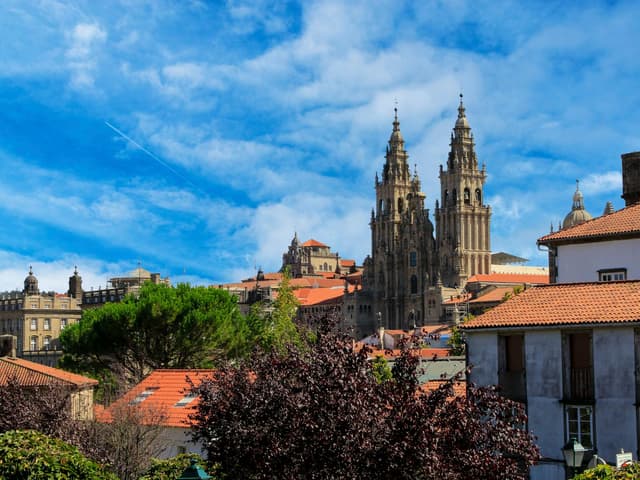
The Camino de Santiago is one of Europe's most iconic pilgrimage routes, a network of ancient pathways that all converge on the Cathedral of Santiago de Compostela in northwest Spain. For more than a thousand years, pilgrims have walked these routes for spiritual awakening, personal challenge, cultural exploration, and the simple joy of movement through beautiful landscapes. Today, it remains one of the world's most popular long-distance walks, drawing hundreds of thousands of pilgrims from every continent each year.
In 2025, over 530,000 pilgrims received their Compostela certificate in Santiago, a 6% increase on the previous year and nearly double the number from a decade earlier. The Camino is not just surviving as a tradition. It is thriving.
A History of Pilgrimage
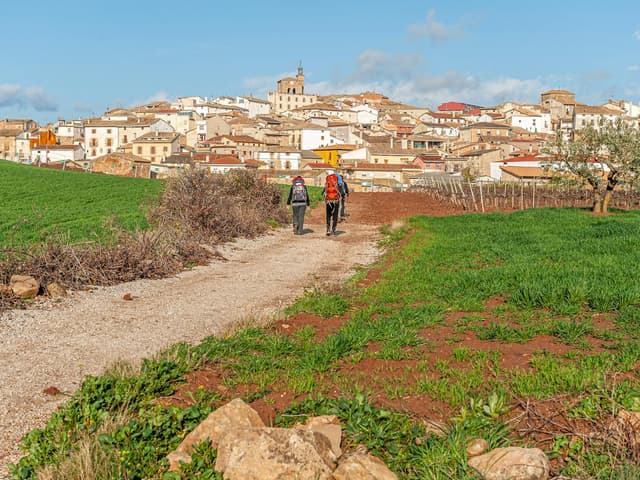
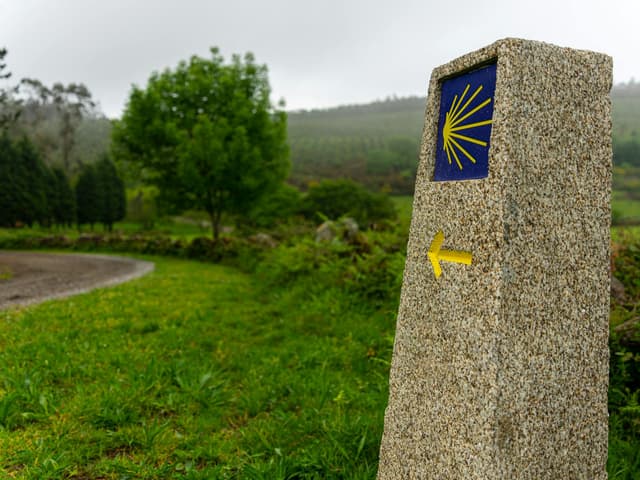
The Camino's origins trace back to the 9th century, when the tomb of Saint James the Apostle was discovered in what is now Santiago de Compostela. As the legend grew, so did the pilgrimage. By the Medieval period, the Camino Frances (the route from France across the Pyrenees) had become one of Christendom's most important pilgrimages, rivalling the journeys to Rome and Jerusalem. Medieval pilgrims were marked by the distinctive scallop shell, a symbol you still see today on trail markers and in pilgrim hostels across every route.
The pilgrimage declined during the Reformation and lay quiet for centuries. But in the 1980s, the Camino experienced a remarkable revival. A combination of growing interest in spirituality, walking culture, and the appeal of stepping away from modern life drew new generations of pilgrims. In 1987, the Council of Europe declared the Camino the first European Cultural Route. UNESCO designated the Camino Frances as a World Heritage Site in 1993. Since then, the numbers have grown exponentially, and today pilgrims arrive from over 190 countries each year.
The Routes
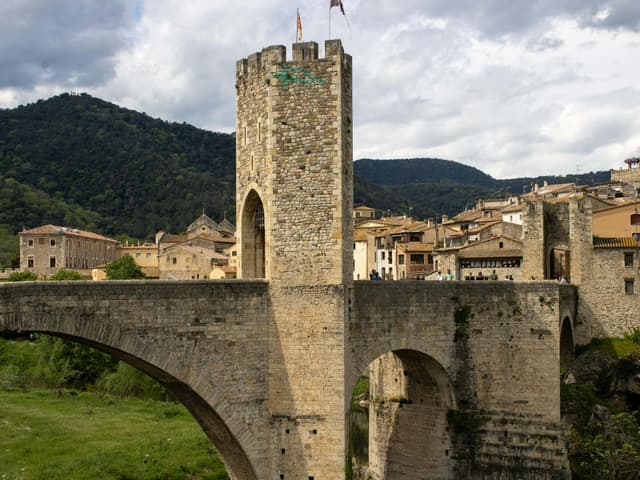
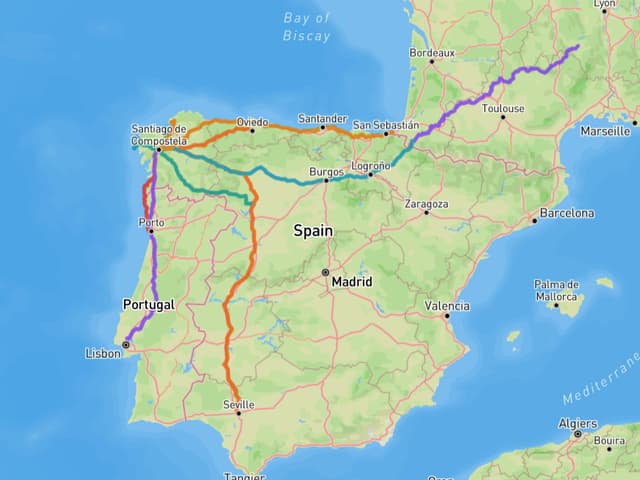
While the Camino Frances is the most famous route, it is far from the only way to reach Santiago. There are nine major routes, each with its own character, landscape, and level of challenge.
The Camino Frances. The most popular route, crossing the Pyrenees and spanning approximately 780 km across northern Spain. Most pilgrims walk this in 30 to 35 days. It offers the best infrastructure, the most fellow pilgrims, and a vibrant social atmosphere.
The Camino Portugues Central. Starting from Porto in northern Portugal, this route covers around 240 km over 10 to 12 days. It is the second most popular Camino, with gentle terrain, historic towns, and excellent food. The full route from Lisbon adds another 380 km.
The Camino Portugues Coastal. An alternative from Porto that follows the Atlantic coastline for approximately 270 km, passing through beaches, fishing villages, and seaside boardwalks before turning inland toward Santiago.
The Camino del Norte. Following Spain's dramatic northern coast for over 825 km from Irun, this route is for experienced walkers seeking challenging terrain, spectacular seascapes, and exceptional Basque and Galician cuisine.
The Camino Primitivo. The oldest Camino route, following the original 9th-century path from Oviedo. At around 315 km, it is shorter but widely considered the most physically demanding Camino, with mountainous terrain and rewarding solitude.
The Via de la Plata. The longest mainstream route, starting in Sevilla and crossing over 1,000 km of Spain from south to north. It passes through the UNESCO World Heritage cities of Merida, Caceres, and Salamanca. Quiet, hot, and epic.
The Camino Ingles. The shortest qualifying route at approximately 119 km from Ferrol. Perfect for pilgrims with limited time or those testing their legs before a longer Camino.
The Camino to Fisterra and Muxia. The only route that starts from Santiago, continuing 90 km west to the Atlantic coast and what the Romans called "the end of the world." Many pilgrims walk this as an extension after reaching the cathedral.
Le Chemin du Puy. The most popular Camino route in France, running 736 km from Le-Puy-en-Velay through vineyards, volcanic highlands, and medieval villages to Saint-Jean-Pied-de-Port, where it joins the Camino Frances.
Not sure which route suits you? Try our Find Your Route tool for a personalised recommendation.
Who Walks the Camino Today
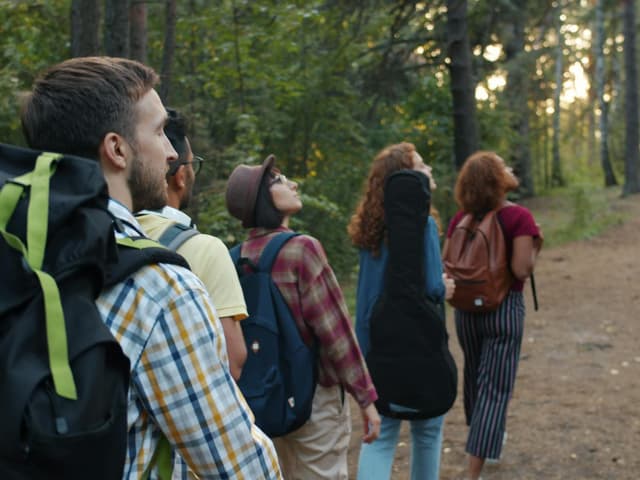
The modern Camino welcomes everyone. You will meet pilgrims in their teens and in their eighties. You will walk alongside retirees, students, professionals on sabbatical, families, solo adventurers, and people in search of meaning. They come from over 190 countries, speaking dozens of languages. Some are religious, many are not. Some are searching for spiritual transformation, others are simply looking for adventure, time in nature, or a break from their everyday lives.
In 2025, 43% of pilgrims were Spanish, with the United States ranking as the second largest nationality for the second year running. Women made up over half of all pilgrims, and 80% were between the ages of 18 and 65.
What unites them is a shared willingness to walk, to step out of the comfort of modern convenience, to move through a landscape on foot, and to be part of something larger than themselves. The Camino has a remarkable way of stripping away the usual markers of status and difference. On the trail, what matters is kindness, resilience, humour, and the simple human connection that comes from walking together toward a shared destination.
The Spiritual Dimension
While the Camino has its roots in Catholic pilgrimage, it is far from exclusively religious today. Many pilgrims walk with spiritual intentions, seeking connection to something sacred, a deepening of faith, or a moment to reflect on life's bigger questions. But many others walk for entirely secular reasons.
For some, the Camino is about personal challenge, about testing physical limits and discovering what they are capable of. For others, it is about time in nature, away from screens and busy schedules. For many, it is about community and human connection, the joy of meeting strangers and forming friendships that cut through the usual social barriers of modern life. And for almost all pilgrims, there is something transformative about the rhythm of walking, the clarity that comes from moving through a landscape on foot, the space it creates for reflection and insight.
The Camino's power does not depend on shared religious belief. It emerges from the combination of physical challenge, natural beauty, time for reflection, and the remarkable generosity of the pilgrim community. Whether you are seeking God, yourself, or simply a good walk with interesting people, the Camino has something to offer.
For more on this, see our FAQ: "Do I need to be religious to walk the Camino?"
What Makes It Different
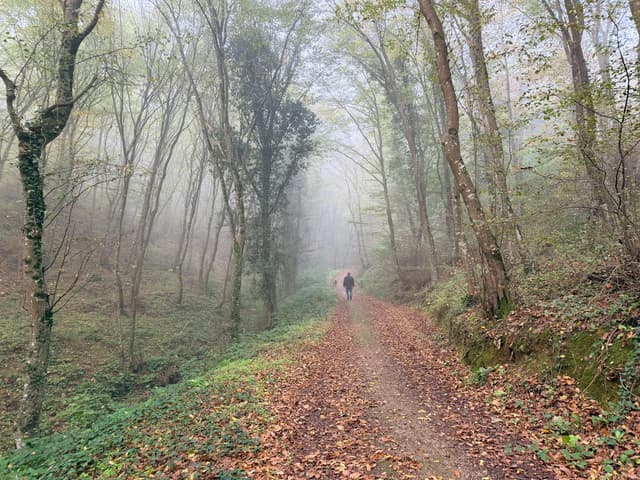
The Camino is not just another long-distance walk. What sets it apart is an infrastructure of hospitality and community that has evolved over centuries.
Albergues. Pilgrim hostels line every route, offering affordable accommodation (typically 5 to 15 euros per night). Some are run by local councils, others by volunteers on a donation basis. They are where the social magic of the Camino happens: shared meals, swapped stories, and friendships formed over blisters and bad weather. Learn more on our accommodation page.
The credential and the Compostela. Every pilgrim carries a credential (a pilgrim passport) that gets stamped at each stop along the way. Walk at least 100 km and collect your stamps, and you earn the Compostela, the official certificate of completion, at the Pilgrim's Office in Santiago.
Hospitaleros. The volunteers who run many albergues are former pilgrims themselves, giving up their holidays to cook, clean, and welcome the next generation of walkers. They are the human heart of the Camino.
The yellow arrows. Simple painted arrows mark the way across every route. Getting lost is rare. The trail practically walks itself.
Pilgrim culture. Fellow walkers help each other freely: offering advice, sharing food, waiting at a fork in the road to point the way. There is a sense of shared purpose that is hard to find anywhere else in modern life. Everyone on the Camino is walking toward Santiago, and that simple fact creates an unusual bond among strangers from different countries, backgrounds, and walks of life.
Start Your Journey
Whether you walk for three days or three months, whether you are searching for spirituality, challenge, adventure, or simply a different way of being in the world, the Camino offers something profound. It is one of the great walks on Earth, and it is calling.
Here is how to take the first step:
Find your route. Our Find Your Route tool matches you with the right Camino based on your time, fitness, and preferences. Or browse our detailed route guides: Camino Frances, Camino Portugues Central, Camino del Norte, and more.
Gear up. Visit our gear page for buying guides on footwear, backpacks, rain gear, and everything else you will need.
Plan your stay. Explore accommodation options across every route on our accommodation page.
Get answers. Our FAQ covers the 49 most common questions pilgrims ask before their first Camino.
The first step is deciding to go.
Buen Camino!