The Portuguese Way
Two routes, one destination. Walk the classic inland Central route or hug the Atlantic coastline on the Coastal variant - both lead to Santiago de Compostela.
Choose Your Variant
The Classic Inland Route
608 km
24 stages
22-26 days · Easy
The classic Portuguese pilgrimage from Lisbon to Santiago, winding through Tomar, Coimbra, and Porto before crossing into the green hills of Galicia. Portugal's most popular Camino, rich in history, food, and wine from start to finish.
The Atlantic Coast Route
274 km from Porto
13 stages
11-15 days · Very Easy
Porto → Santiago de Compostela
Boardwalks, Atlantic beaches, clifftop paths, and some of the freshest seafood in Europe, with the sound of the ocean as your constant companion from Porto to the Galician coast.
Essential Reading
Route Highlights
The Camino Portugués is the second most popular pilgrimage route to Santiago de Compostela, chosen by roughly a third of all pilgrims. It connects Portugal and Spain, traditionally starting in Lisbon and running north through Porto before crossing into Galicia. From Porto, pilgrims choose between two variants: the Central route through historic inland towns, or the Coastal route along the Atlantic.
The full route from Lisbon covers 620 km across 25 stages. However, most pilgrims start in Porto (243 km on the Central route, 274 km on the Coastal route) or in Tui on the Spanish border (119 km, the minimum for the Compostela certificate). This flexibility makes the Portugués one of the most accessible Camino routes for pilgrims with limited time.
The Central Route follows ancient inland paths through some of Portugal and Galicia's most historic towns. From Porto it heads north through Barcelos with its famous rooster legend, the medieval bridge town of Ponte de Lima, and across the border at Tui with its imposing cathedral overlooking the Minho River. The terrain is a mix of countryside, forest, and cobblestone village paths. It is well-established, well-marked, and well-served by albergues.
The Coastal Route leaves Porto following the Atlantic northward through fishing villages, sandy beaches, and boardwalk promenades. It passes through Póvoa de Varzim, Viana do Castelo, and across the Minho River by ferry into Spain at A Guarda — one of the most memorable border crossings on any Camino. The route then follows the Galician coast through Baiona and Vigo before turning inland at Redondela to rejoin the Central route for the final four stages to Santiago.
Both variants are rated moderate. The Central route has more hills, particularly in Galicia, while the Coastal route is flatter but slightly longer. The Portuguese climate is mild, with warm summers and wet winters. Spring and autumn are the best seasons to walk. The route is well-served by accommodation, though coastal resort towns can be busy in July and August.
The Portugués is an excellent choice for first-time pilgrims, those seeking a shorter Camino, and anyone drawn to Portuguese culture, cuisine, and the combination of coast and countryside.
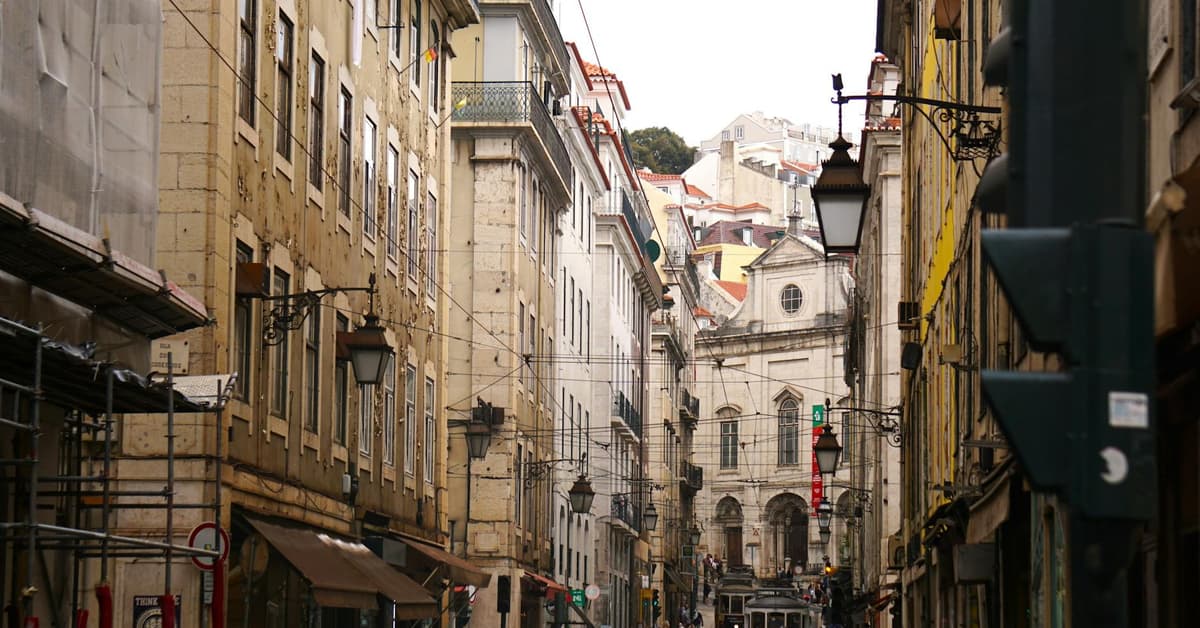
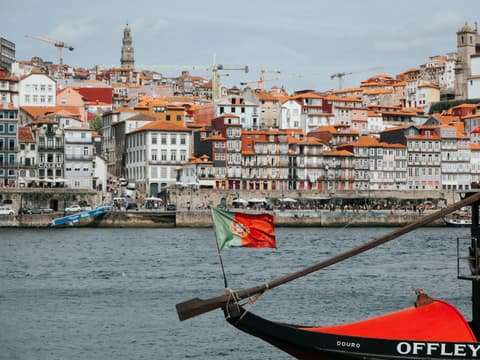
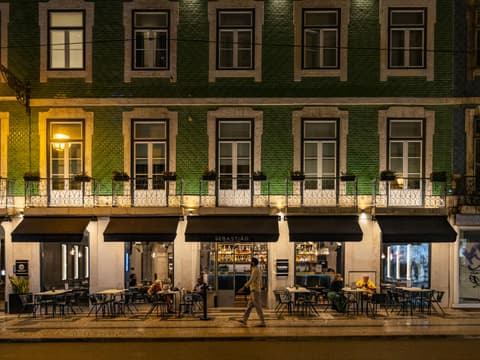
If you have a month to walk the full 608 km, start in Lisbon. The first half of the route has fewer walkers and less accommodation, requiring careful planning. If you have two weeks, start in Porto. This covers around 240 km. It offers frequent transport connections, an airport, and plenty of places to stay. If you have five or six days and want to earn the Compostela certificate, start in Tui. At 115 km from Santiago, it meets the required 100 km minimum on foot. Accommodation here is frequent and accessible by bus or train, but expect the trail to be much more crowded.
24 stages · 613km to Santiago de Compostela
Full route from the Portuguese capital. Flat Ribatejo, Tomar's Templar castle, Coimbra's university, Porto, and the green Minho.
Leaving the Ribatejo plains entering the hilly limestone interior
Approaching Porto through increasingly industrial terrain
Porto (UNESCO) most popular start · Central & Coastal routes split here
Portugal's greenest region with vinho verde vineyards and granite villages
Tui & Portugal-Spain border · ⏰ Set clocks +1hr entering Spain
Click any stage to see full details, maps, towns, and accommodation.
