So You Want to Walk the Camino
The Camino de Santiago is one of the greatest walking journeys in the world. Every year, hundreds of thousands of people lace up their boots and set off on foot across Spain, Portugal, or France, following ancient pilgrimage routes that all lead to the Cathedral of Santiago de Compostela. In 2025, over 530,000 pilgrims received their Compostela certificate in Santiago, and the numbers keep growing.
But if you have never done anything like this before, it can feel overwhelming. Which route do you choose? How fit do you need to be? What do you pack? Where do you sleep? How much does it cost?
This guide answers all of those questions and more. Whether you have two weeks or two months, whether you are 25 or 65, whether you are deeply spiritual or simply looking for an adventure, there is a Camino for you.
You do not need to be an athlete. You do not need to be religious. You do not need to speak Spanish. You just need a pair of comfortable shoes, a willingness to walk, and the curiosity to see where the path takes you.
What Is the Camino de Santiago?
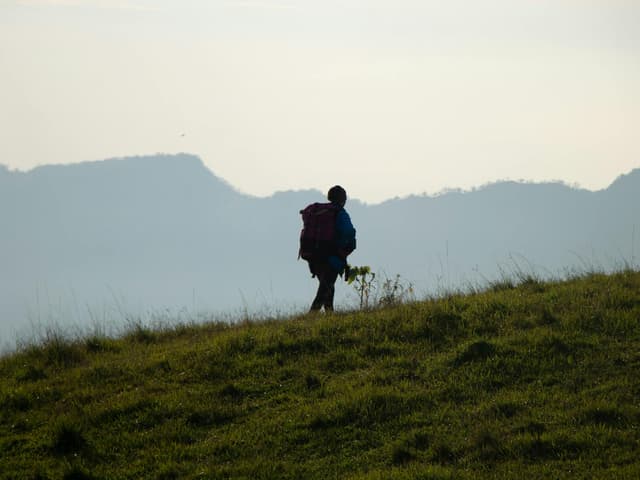
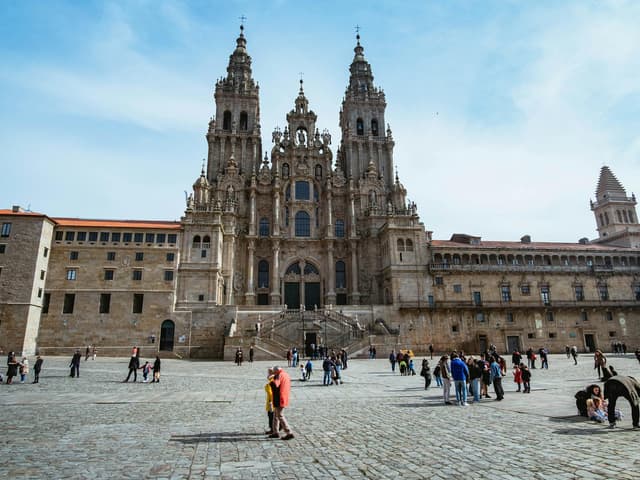
The Camino de Santiago (the Way of Saint James) is a network of pilgrimage routes across Europe that all converge on the Cathedral of Santiago de Compostela in northwestern Spain. The cathedral is believed to hold the remains of the Apostle Saint James, and pilgrims have been walking to visit his tomb for over a thousand years.
There is no single Camino. There are many routes, each with different starting points, landscapes, distances, and personalities. Some cross the mountains of northern Spain. Others follow the Atlantic coast of Portugal. One begins in the south of France and winds through vineyards and medieval villages. Another starts in Sevilla and crosses the entire country from south to north.
What unites every route is the experience: walking day after day through beautiful landscapes, sleeping in pilgrim hostels, sharing meals with strangers from around the world, and arriving in Santiago with a sense of accomplishment that is hard to find anywhere else.
For a deeper look at the history and meaning of the pilgrimage, see our FAQ.
Choosing Your Route
The first big decision is which route to walk. There are nine major Camino routes, and each one offers a completely different experience. Here is a quick overview to help you narrow it down.
For first-timers with 4 to 5 weeks, the Camino Frances is the classic choice. It is the most popular, best-marked, and best-supported route, with around 780 km from Saint-Jean-Pied-de-Port to Santiago. If you only have a week, the final 100 km from Sarria is the most walked section on any Camino.
For first-timers with 10 to 14 days, the Camino Portugues Central (240 km from Porto) or the Camino Portugues Coastal (270 km from Porto) are excellent shorter options with gentle terrain and great food.
For a quick Camino in under a week, the Camino Ingles (119 km from Ferrol, 5 to 6 days) is the shortest route that qualifies for the Compostela certificate.
For experienced hikers seeking a challenge, the Camino del Norte (825 km along Spain's northern coast) or the Camino Primitivo (315 km of mountainous terrain from Oviedo) offer fewer crowds and tougher walking.
For a uniquely French experience, Le Chemin du Puy (736 km through southern France) is a UNESCO World Heritage trail ending at the start of the Camino Frances.
For the ultimate long-distance challenge, the Via de la Plata (1,000+ km from Sevilla) crosses four regions of Spain over 6 to 8 weeks.
After Santiago, the Camino to Fisterra and Muxia (90 km) continues west to the Atlantic coast and what the Romans called "the end of the world."
Not sure which one suits you? Our Find Your Route tool asks a few quick questions and gives you a personalised recommendation.
When to Go
The Camino walking season runs from April to October across most routes, with May, June, and September offering the best balance of good weather, open services, and manageable crowd levels.
Spring (April to May) brings mild temperatures, wildflowers, and fewer pilgrims. Some higher mountain passes on the Frances and Primitivo may still have snow early in the season.
Summer (June to August) is the busiest period. July and August can be very hot on inland routes, especially the Meseta on the Frances and the southern stages of the Via de la Plata. Accommodation fills up faster, so flexibility helps.
Autumn (September to October) is a favourite among experienced pilgrims. Cooler temperatures, smaller crowds, and golden light across the landscape. Some services begin closing in late October.
Winter (November to March) is possible on some routes but not recommended for first-timers. Many albergues close, mountain passes can be impassable, and daylight hours are short.
For more detail, see our FAQ: "What is the best time of year to walk the Camino?"
How Far Do You Walk Each Day?
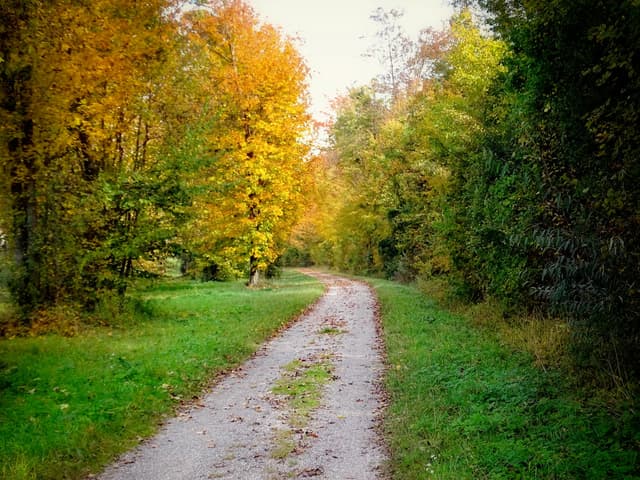
Most pilgrims walk between 20 and 25 km per day (about 12 to 15 miles). At a comfortable pace, this means roughly 5 to 7 hours of walking, with breaks for coffee, lunch, and rest.
If you are new to long-distance walking, starting with shorter days of 15 to 18 km and building up is a smart approach. Your body needs time to adjust, especially in the first week.
The total time you need depends on your route and daily distance:
Camino Frances (full route): 30 to 35 days.
Camino Portugues Central (from Porto): 10 to 12 days.
Camino Portugues Coastal (from Porto): 12 to 14 days.
Camino del Norte: 32 to 36 days.
Camino Primitivo: 12 to 14 days.
Le Chemin du Puy: 4 to 5 weeks.
Via de la Plata: 6 to 8 weeks.
Camino Ingles: 5 to 6 days.
Fisterra and Muxia: 3 to 5 days.
Remember, you do not have to walk an entire route in one go. Many pilgrims complete their Camino in stages over multiple trips. There is no wrong way to do it.
What to Pack
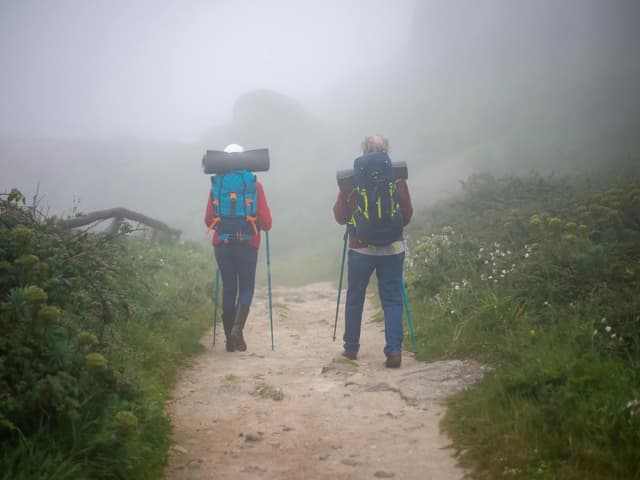
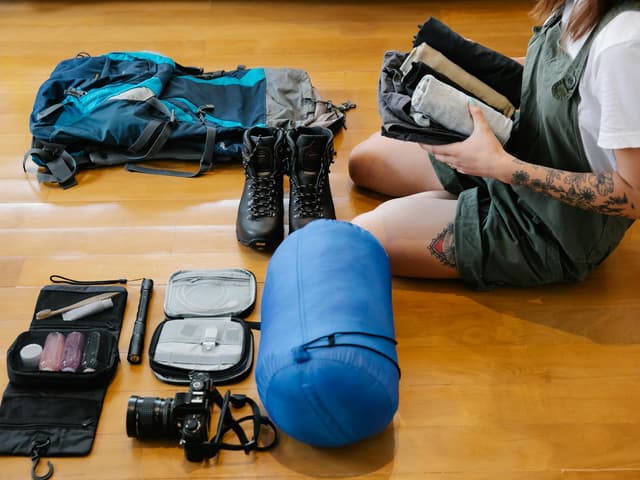
The golden rule of Camino packing: less is more. Your backpack (including water) should weigh no more than 10% of your body weight. Most experienced pilgrims carry between 7 and 10 kg total. Every extra kilogram you carry will make a difference over 20+ km of walking each day.
Here are the essentials:
Footwear. This is the single most important gear decision you will make. Trail shoes or lightweight hiking shoes are preferred by most pilgrims over heavy boots. Whatever you choose, break them in thoroughly before you leave. See our footwear guide for detailed recommendations.
Backpack. A 35 to 40 litre pack is ideal for most pilgrims. Look for one with good hip belt support and ventilation. Our backpack guide covers sizing, fit, and what to look for.
Clothing. Two to three sets of lightweight, quick-dry walking clothes. Merino wool is popular for its odour resistance. Layer up rather than packing heavy items. See our clothing guide.
Rain gear. A waterproof jacket and a pack cover are essential. Rain is common in Galicia, on the Norte, and on Le Puy. Check our rain gear guide.
Sleeping gear. Most albergues provide a mattress or bed but not always bedding. A lightweight sleeping bag liner or ultralight sleeping bag is worth carrying. See our sleeping gear guide.
Tech and accessories. A power bank, headlamp, and phone with a Camino app are the basics. Our tech guide has the full rundown.
First aid and foot care. Blister prevention is critical. Carry blister plasters (Compeed), tape, antiseptic, and basic painkillers. Our first aid guide covers everything you need.
For the complete breakdown, visit our gear page.
Where to Sleep
One of the most common questions first-timers ask is: where do you actually sleep on the Camino? The short answer: you have plenty of options.
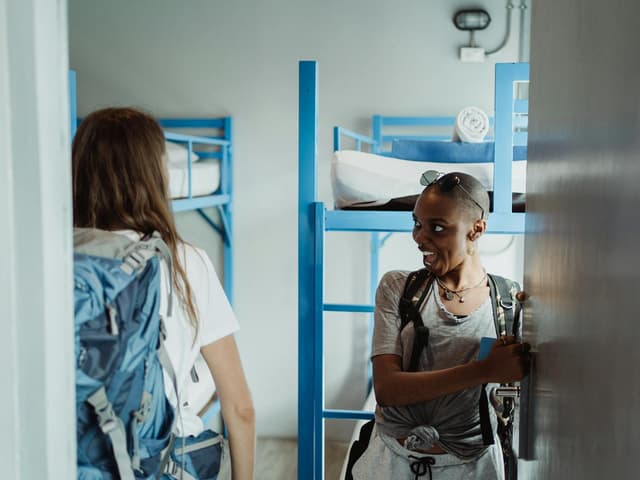
Albergues (pilgrim hostels) are the most traditional and affordable option. Municipal albergues are run by local councils and typically cost 5 to 12 euros per night. Private albergues charge a little more (10 to 25 euros) and sometimes offer smaller rooms, reservations, and extras like breakfast.
Donativo albergues operate on a donation basis and are run by volunteers. They are a beautiful Camino tradition and often offer communal meals and a uniquely warm atmosphere. They cannot be booked in advance and work on a first-come, first-served basis.
Hotels, pensions, and guesthouses are available in most towns, starting from around 30 euros per night. These offer private rooms, more comfort, and the ability to book ahead.
Most pilgrims use a mix of all types throughout their Camino. Many choose albergues for the social experience and book a private room every few days for a proper rest.
To explore accommodation options across all our routes, visit our accommodation page.
The Credential and the Compostela
Two documents define the Camino experience: the pilgrim credential and the Compostela.
The pilgrim credential (credencial del peregrino) is your pilgrim passport. It is a folded card where you collect stamps (sellos) at albergues, churches, cafes, and other stops along the way. You need it to stay in most albergues, and you need at least two stamps per day for the final 100 km to qualify for the Compostela.
You can pick up your credential at your starting point (most pilgrim offices and albergues have them), or order one in advance from a national Friends of the Camino association.
The Compostela is the official certificate of completion issued by the Pilgrim's Office in Santiago de Compostela. To receive it, you must have walked at least 100 km on foot (or cycled at least 200 km), collected stamps in your credential, and arrived in Santiago. The Pilgrim's Office is open daily and there is typically a queue, but the moment you hold your Compostela is one you will never forget.
For more on this, see our FAQ: "What is the Compostela and how do I earn it?" and "What is the pilgrim credential and where do I get stamps?"
How Much Does It Cost?
The Camino can be as affordable or as comfortable as you like. Here is a rough daily budget guide for walking pilgrims in 2025/2026.
Budget (20 to 30 euros per day). Stay in municipal or donativo albergues, cook your own meals in albergue kitchens, and limit restaurant visits. This is absolutely doable and is how many pilgrims walk.
Mid-range (40 to 60 euros per day). Stay in a mix of albergues and private rooms, eat the occasional pilgrim menu (a three-course meal with wine, typically 10 to 14 euros), and enjoy coffee stops.
Comfortable (70 to 100+ euros per day). Stay in hotels or pensions, eat out regularly, and use luggage transfer services (typically 5 to 8 euros per stage).
Major costs beyond daily expenses include flights to your starting point, gear (if buying new), and travel insurance.
We have a full article on this: "How much does it cost to walk the Camino?" You can also check our FAQ: "How much money should I budget per day for a Camino?"
Getting Physically Ready
You do not need to be an elite athlete to walk the Camino. But some preparation will make a huge difference to how much you enjoy it and how your body handles the daily distances.
Start walking regularly. The best training for the Camino is walking. Begin with shorter walks (5 to 10 km) and gradually increase the distance over several weeks. Aim to be comfortable walking 20 km in a day before you leave. Walk in the shoes and with the backpack you plan to use.
Build up distance with weight. Load your backpack to the weight you plan to carry and walk with it. Your shoulders, hips, and feet all need time to adjust.
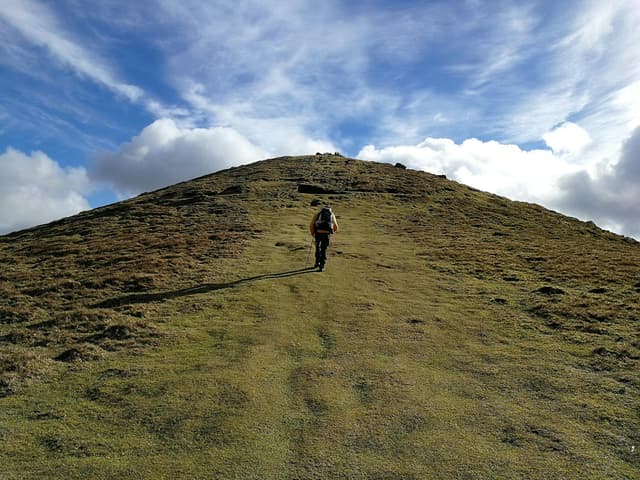
Include hills. If your route has significant elevation (the Frances Pyrenees crossing, the Primitivo, the Norte), practise on hills or inclines. Downhill walking is often harder on the body than uphill.
Prioritise foot care. Get your feet used to long distances. Experiment with different sock and shoe combinations before your Camino, not during it. Prevention is far easier than treatment.
For more on this, see our FAQ: "How fit do I need to be for a Camino?"
A Typical Day on the Camino
Curious what an average day actually looks like? Here is a rough outline for a typical walking day.
6:00 to 7:00. Wake up in the albergue. Pack your bag quietly (headlamp helps). Some pilgrims leave even earlier; others sleep in.
7:00 to 7:30. Start walking. Many pilgrims walk the first hour or two before stopping for breakfast. The early morning light on the trail is one of the best parts of the day.
9:00 to 9:30. Stop for a coffee and a tortilla (the classic Camino breakfast). Check in with fellow pilgrims.
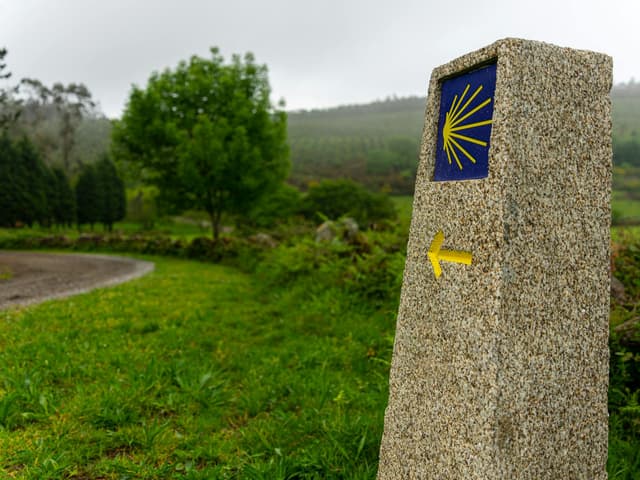
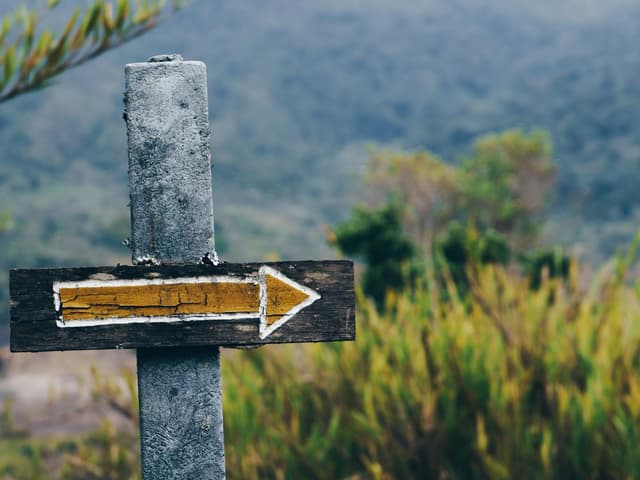
10:00 to 13:00. Keep walking. The middle of the day is when you cover most of your distance. Follow the yellow arrows and scallop shell waymarks.
13:00 to 14:00. Arrive at your destination. Check into your albergue, shower, hand-wash your clothes, and hang them to dry.
14:00 to 18:00. Free time. Explore the town, visit a church, nap, stretch, or sit in a plaza with a cold drink. This is when the social side of the Camino comes alive.
19:00 to 20:30. Dinner. Either cook in the albergue kitchen with other pilgrims, grab a pilgrim menu at a local restaurant, or join a communal meal at a donativo.
21:00 to 22:00. Lights out. Albergues typically enforce quiet hours. Earplugs are essential.
Then you wake up and do it all over again. Day after day, the routine becomes a rhythm, and the rhythm becomes deeply satisfying.
You Are Ready. Start Here.
If you have read this far, you already know more than most people do before their first Camino. The rest you will learn on the trail.
Here is what to do next:
Choose your route. Use our Find Your Route tool to get a personalised recommendation, or explore our detailed route guides to dig deeper into each option.
Gear up. Visit our gear page for buying guides on everything from footwear to backpacks to first aid.
Plan your accommodation. Browse options across all routes on our accommodation page.
Get your questions answered. Our FAQ covers 49 of the most common Camino questions, from "Do I need to speak Spanish?" to "Can I walk with my dog?"
We are also building a Plan My Camino feature that will handle the whole planning process for you, including personalised stage breakdowns, accommodation suggestions, and gear recommendations. Stay tuned.
The Camino has a way of giving you exactly what you need, even if it is not what you expected. Trust the path, trust your feet, and trust that hundreds of thousands of pilgrims before you have felt exactly as uncertain as you do right now.
Buen Camino!